After beginning his English-learning journey at Project Learn, Sulaiman kept moving forward, building confidence, pursuing college, and working toward new goals.
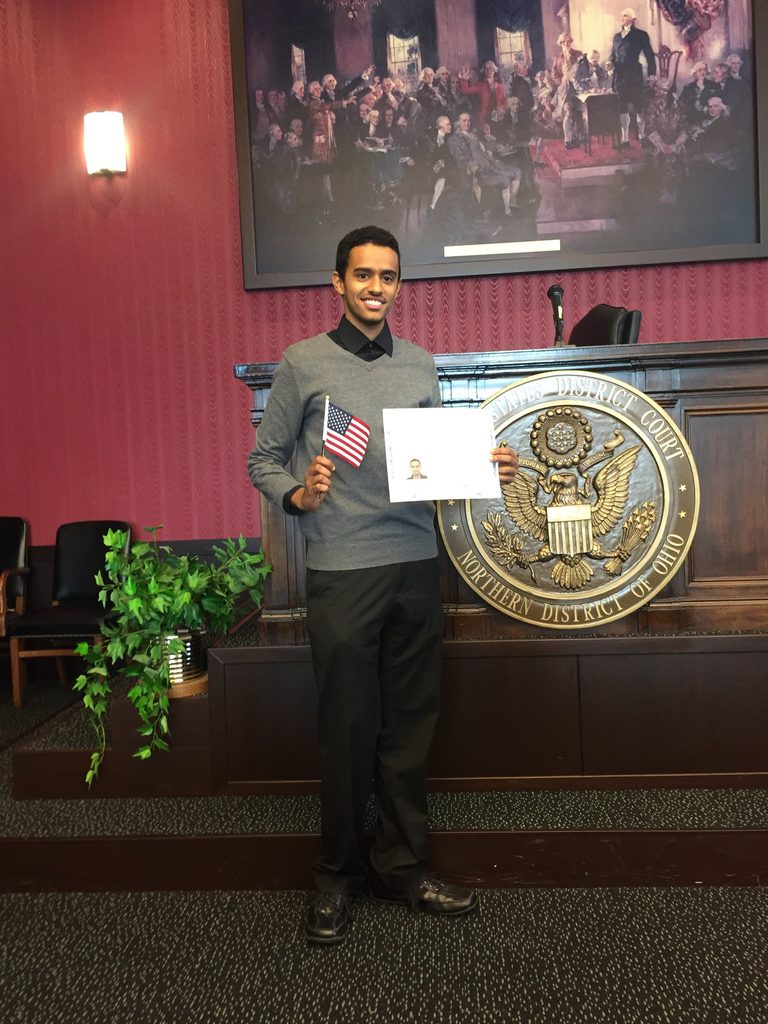
“Project Learn has a special meaning to me because it is where I began my English-learning journey.”
— Sulaiman
For Sulaiman, learning has never been limited to one classroom.
Today, he is studying civil engineering at Stark State College, working as a chef at Tamr Mediterranean Grille, and building a future for himself and his family. Years before college and career goals became part of the picture, one of his first priorities was learning English.
“I came to Project Learn because I wanted to improve myself, strengthen my English, and gradually become the best version of myself,” Sulaiman said.
English did not come easily at first.
“Learning English was really difficult for me in the beginning,” he said. “However, I learned that with consistent practice, patience, and determination, things become easier over time.”
Sulaiman kept working at it. Little by little, the language that once felt difficult became something he could use with more confidence in everyday life.
“Over the years, I have continued working on myself and improving my English,” he said. “I have become much more confident when speaking and communicating with others.”
That is part of why Project Learn still holds a special place for him.
“Project Learn has a special meaning to me because it is where I began my English-learning journey,” he said. “It gave me the opportunity to learn, grow, and become more confident.
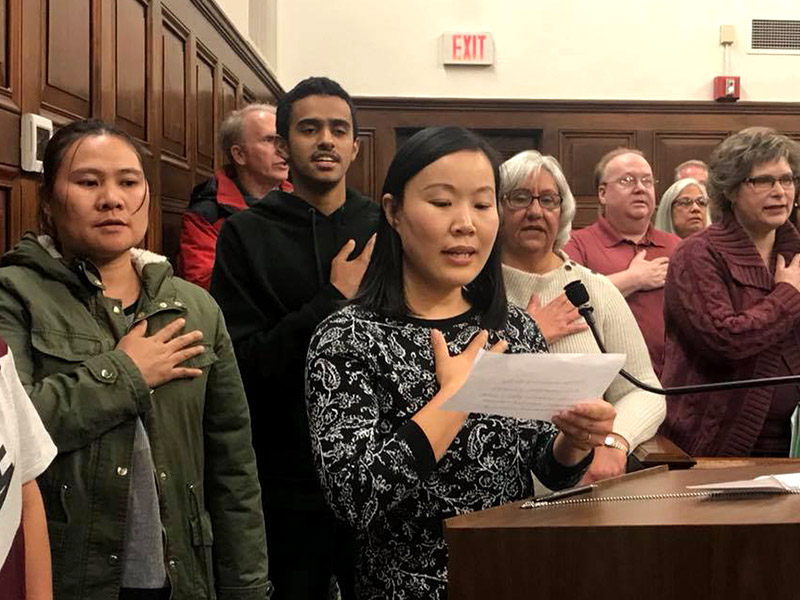
One of Sulaiman’s memories from Project Learn took his learning beyond the classroom.
While he and his classmates were practicing for citizenship, they had the opportunity to participate in the Pledge of Allegiance at Akron City Council.
“I remember that day as a very meaningful experience,” Sulaiman said. “At the time, we were in class practicing for our citizenship, and it was special to have the opportunity to participate in such an important event.”
The experience became one of the meaningful moments Sulaiman remembers from his time at Project Learn.
Sulaiman’s learning journey has also taken him to Stark State College, where he is studying civil engineering. His goal is to graduate, build a successful career, and find work where he can continue growing professionally.
College is another step forward as Sulaiman continues working toward his goals.
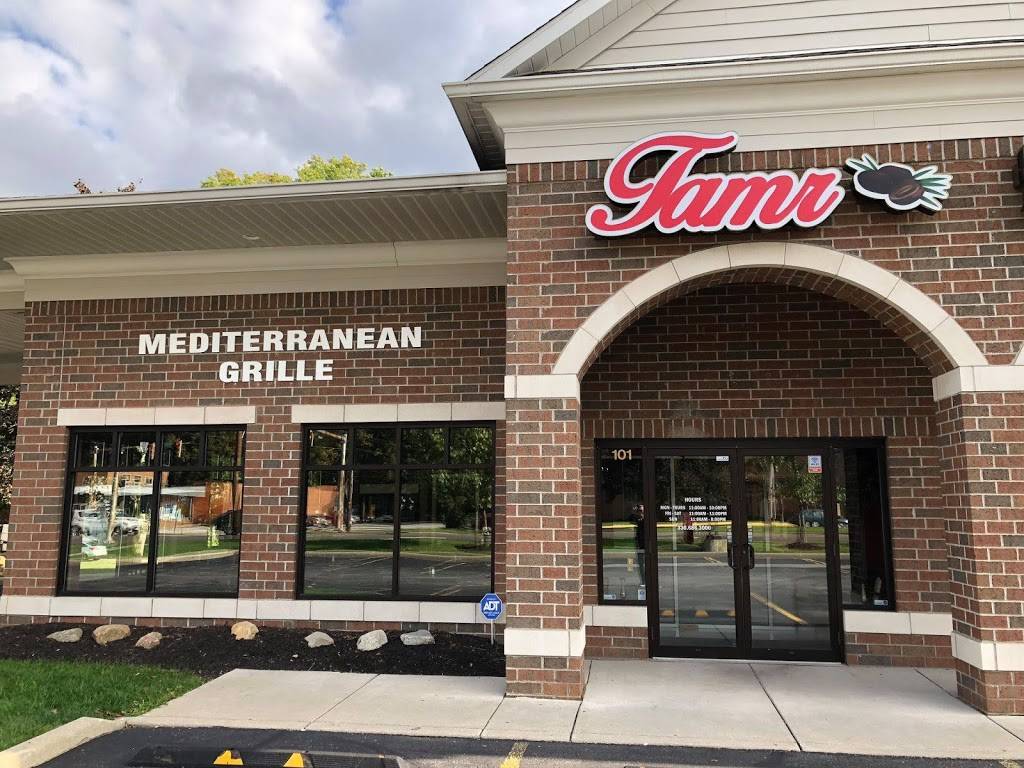
Outside of school, Sulaiman works as a chef and cook at Tamr Mediterranean Grille.
He enjoys preparing food, but what matters most to him is the experience he creates for the people eating it.
“One of the most rewarding parts of my job is seeing people enjoy the food I make,” he said. “It makes me happy to know that my cooking brings joy to others.”
For all that Sulaiman has accomplished and continues to work toward, the thing he is proudest of is not a class, job, or credential.
It is his family.
“Today, I am most grateful and proud to have my family and my son,” he said. “They are very important to me and motivate me to continue working hard and becoming a better person.”
When he thinks about someone else beginning the same kind of journey, whether learning English or continuing their education, his advice is simple: keep learning.
He encourages people to find a good learning environment, use their time to improve themselves, and take advantage of the opportunities around them.
“The most important thing is to stay motivated, practice consistently, and never be afraid to learn something new.”
For Sulaiman, learning began with English. It never stopped there.
After moving from South Korea to Ohio, Jinsuk began building confidence in English through everyday challenges, classroom learning, and a community that reminded her she didn't have to move forward alone.
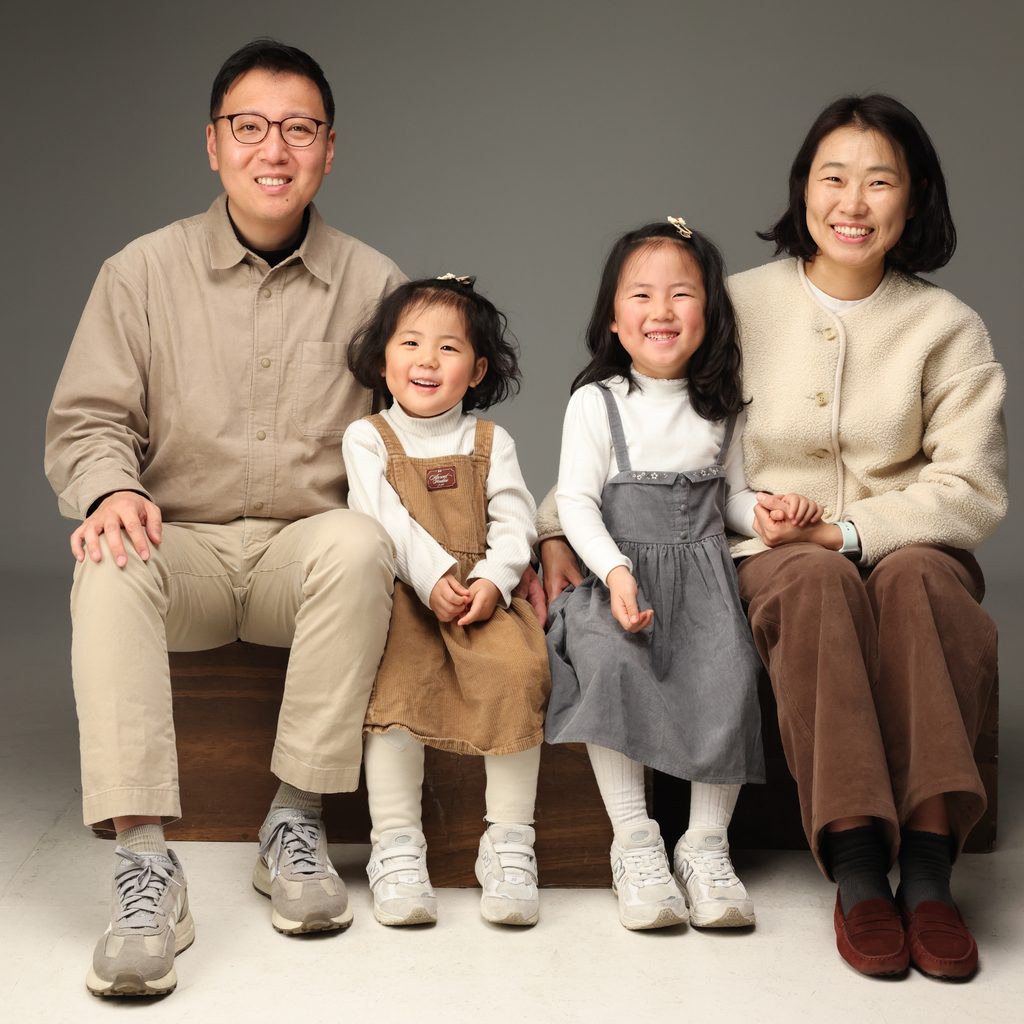
“I started to focus on what I could do instead of what I couldn’t.”
— Jinsuk
When Jinsuk moved from South Korea to Ohio in late 2025, she quickly discovered how much English was woven into everyday life.
She had studied English in middle and high school, but years had passed since she had used it regularly. Now, English was needed for everything from appointments and errands to navigating life with her family in a new country.
"I knew that English was essential for living in the United States, and I wanted to become confident in using it," Jinsuk said. "I also wanted to go back to the basics and learn English in a more structured and systematic way."
With that goal in mind, she began putting herself in situations where she would have to use English.
Jinsuk started with small, everyday moments.
At a café, she ordered her own coffee in English.
At the grocery store, she found the words to ask for the specific cut of meat she needed.
Then she joined a group Pilates class. When she couldn’t understand every instruction, she watched the people around her and followed along.
With each experience, Jinsuk became more comfortable handling daily life on her own instead of depending on her husband.
But she also came to an important realization:
“Just being in America doesn’t mean English automatically becomes my second language.”
Jinsuk had been learning through online lectures, YouTube, and an English-learning app, but she wanted something different: a place where she could learn face-to-face with other people.
Her search eventually brought her to Project Learn.
The beginning wasn’t easy.
“When I took the English test and went to my first class, I felt a lot of frustration,” she said.
At times, it seemed as though everyone around her understood what was happening while she struggled to follow along. She found herself comparing her English with theirs.
Over time, Jinsuk began handling those moments differently.
Instead of pretending she understood, she learned to tell people that she was still learning English and ask them to repeat themselves. When she didn’t understand something, she looked it up and worked through it. “It is slow, but I am moving forward at my own pace.”
Five months after beginning classes, Jinsuk doesn’t describe her progress as sudden or dramatic. She sees it happening “little by little.”
“But after five months of taking classes, I feel that I am getting better little by little, and I now have hope.”
Part of that hope has come from the people she has met at Project Learn.
When English feels difficult, her teachers, volunteers, and classmates encourage her to keep going. Through those relationships, Jinsuk found something she hadn’t expected when she first began searching for an English class.
“Whenever I fall into despair, the teachers, volunteers, and my classmates encourage me and lead me forward. I am learning more than just English; I’ve rediscovered the precious value of community and togetherness.”
What began as a search for an English class has also given Jinsuk a community—one that continues to support her as she moves forward at her own pace.
Before coming to the United States, Jinsuk had spent more than 15 years working for the same company in South Korea. She is proud of the commitment she brought to her work and, most importantly, of always doing her best for her family.
Now she is thinking about what comes next.
In Korea, Jinsuk writes, turning 40 is often considered a turning point in life. For her, that turning point has arrived alongside a new country, new people, a new culture, and the opportunity to begin again.
"At this turning point in my life, I have been given a chance to start everything fresh from the beginning."
Her next goal is both practical and personal: she wants a job where she can communicate in English every day.
"My goal is to have a job where I can communicate in English every day," she said. "I want to continue improving my English skills and use them confidently in both my work and daily life."
For now, Jinsuk isn't measuring her journey by how quickly she gets there.
She's continuing to learn, speak, ask questions, and move forward—at her own pace.
In Her Own Words
Bucket List
By Jinsuk
When I welcomed the New Year of 2025, I had made a new bucket list. One of the items was "Living abroad someday." The opportunity to try it came much sooner than I expected because my husband started working in the United States.
However, I only had a dream about living abroad; I was not prepared. As soon as I arrived in the U.S., I got sick and had to visit the hospital, and I also had to send my children to daycare. I needed English for everything in my daily life. Out of necessity, I relied on translators and interpreters. One day, while sitting at home watching TV, I realized something: just being in America doesn't mean English automatically becomes my second language. I began to change myself.
First, I decided to leave the house and face the environment directly. I went to cafes to order coffee and to the grocery store to ask for specific cuts of meat. I registered for group Pilates and followed other people's movements by watching them closely. Most importantly, I handled most things on my own without depending on my husband.
Second, I had been studying through online lectures, YouTube, and the Speak app, but I felt it wasn't enough. So, I looked for a place where I could learn English in person. Since I had no one to ask, I asked AI and registered for "Project Learn." It is a place where people from various nationalities study with the same goal. Since it is a face-to-face class, it was perfect for me because I sometimes lack self-discipline. Now, I am doing my best to attend classes three times a week.
Third, I decided not to be impatient. When I started comparing myself to others, I felt very small. It felt like everyone knew everything except me. Even during class, I would sit blankly because I didn't understand, and my head was full of distracting thoughts. When I snapped back to reality, I felt so hateful toward myself and miserable. Now, things are a little different. I tell people first that I am not good at English and ask them to say it one more time. If I don't know something, I try to understand it by looking it up in Korean. It is slow, but I am moving forward at my own pace.
In Korea, people say that forty (40) is a turning point in life. In 2026, I am experiencing a new environment, new people, and a new culture. At this turning point in my life, I have been given a chance to start everything fresh from the beginning. Until the day I can say I have fulfilled my bucket list, I will continue to refine this "second life" bit by bit.
I am Jinsuk from Korea. I have been living in Ohio, USA, since late 2025. While my family is my top priority, I am also working hard every day to achieve my own dreams.
This essay is published with permission from the author.
Returning to school while raising a family gave Jemonte more options and opened a path from his GED to college, a CDL, and a new career.
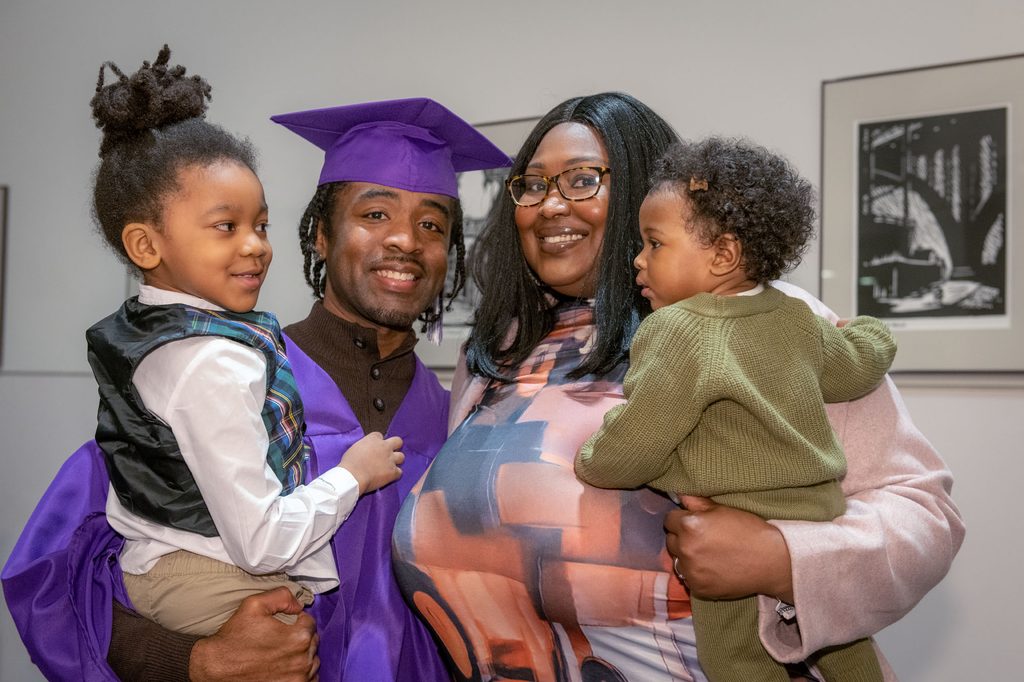
“You can always create a new beginning for yourself.”
— Jemonte
Jemonte Stallworth was working, raising a family, and thinking about his future when he realized he wanted more options.
He felt stagnant in the workforce. Going back to school offered a way forward, but earning his GED wasn't something he was doing only for himself.
His mother motivated him. So did his children.
Returning to school as a husband and father, however, was very different from being a student the first time around.
Jemonte had to balance studying with responsibilities at home. Being back in the classroom also gave him a new perspective on an opportunity he hadn't fully appreciated when he was younger.
“You realize how simple things were the first go around in school,” he said.
This time, Jemonte was ready for it.
Earning his GED gave Jemonte what he had been looking for: more options.
But personally, the accomplishment meant something even bigger.
“It reminded me that life had not passed me by.”
— Jemonte
That realization was followed by something tangible.
With his GED, Jemonte was accepted into Stark State College. While there, he interviewed for a position with METRO RTA.
One opportunity was beginning to lead to another.
He earned his commercial driver's license—a milestone he considers his proudest accomplishment since completing his GED—and became a bus driver for METRO.
Driving a bus puts Jemonte in front of people every day.
Some faces are new. Others become familiar.
For Jemonte, that human connection is one of the best parts of the job.
“What I enjoy most is putting smiles on new and familiar faces.”
— Jemonte
His route to that driver's seat had started with a decision to give himself more choices.
The GED opened the way to college. College became connected to an employment opportunity. His CDL gave him another professional credential.
But Jemonte hasn't stopped at the driver's seat.
He's already working toward something else.
Jemonte is currently in the process of becoming a personal trainer.
He doesn't know exactly where every opportunity will take him, but his experience has changed the way he thinks about starting something new.
That is also what he wants another adult considering a return to school to understand.
“You can always create a new beginning for yourself. It’s never over until you quit.”
— Jemonte
For Jemonte, the new beginning wasn't one dramatic moment.
It was deciding he wanted more options.
It was returning to school while raising a family.
It was earning his GED.
Then college.
Then his CDL.
Then a job that puts him in touch with his community every day.
And now, another goal is already taking shape.
Life hadn't passed Jemonte by.
There was still plenty of road ahead.
When his previous credentials weren’t recognized in the United States, Andres found another way forward through his GED, professional certification, and a new career path.
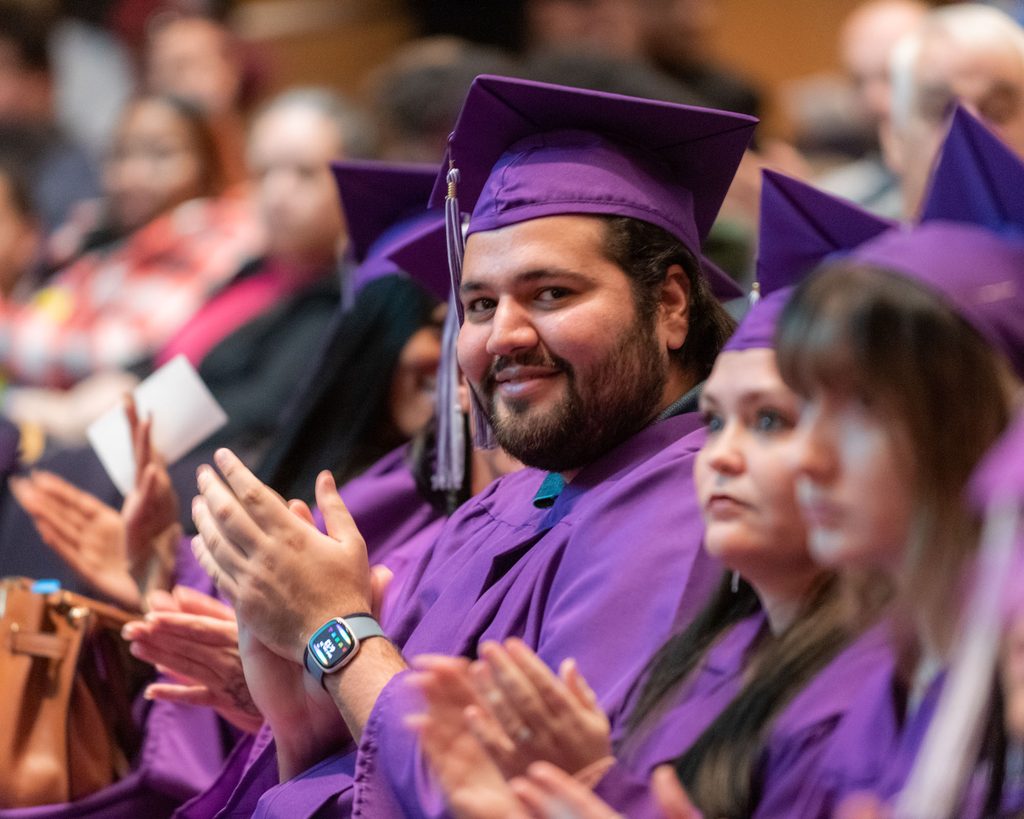
“I needed a new path to continue my education and move forward.”
— Andres
Andres already had an academic background when he arrived in the United States. What he didn't have was a way to use it.
He discovered that the credentials he had earned in his home country weren't accepted, leaving him unsure how he could continue his education.
“It was difficult to find a place where I could continue my studies,” Andres said. “Without recognized educational credentials, many opportunities were out of reach.”
The answer he eventually found wasn't to abandon his education.
It was to take a different route.
That route brought Andres to Project Learn, where he began working toward his GED.
He moved through the process quickly, but that didn't make it effortless.
“It required dedication and hard work, but completing my GED gave me confidence and showed me that I could achieve my goals when given the right opportunity and support.”
— Andres
For Andres, earning the credential mattered because of what it allowed him to do next.
He could continue his education.
And he did.
After earning his GED, Andres enrolled in a course to become a certified medical interpreter.
He completed the certification and found work as an interpreter.
One step had created access to another.
“Education has opened many doors for me.”
— Andres
Andres continued working as an interpreter while pursuing other opportunities for professional growth. More recently, he shared that he is in training and balancing the demands of his current job responsibilities.
Looking back, the progression is clear to him: GED, professional certification, employment, and continued career development.
“I am most proud of earning my GED and using it as a foundation to become a certified interpreter and build a successful career path in the United States,” he said.
His GED wasn't where his education ended.
It gave him a way to keep going.
There is another part of Andres's experience that has stayed with him.
It isn't about a class, test, or certification.
It's about how he remembers being treated.
“Throughout my career, I have had many jobs, but I have never been treated with as much respect, kindness, and support as I was at Project Learn.”
— Andres
Andres remembers the people behind that experience by name: Marquita Mitchell, Paul Crosby, Edna Moore, Jackie, and Myra Walker.
“They all helped me so much and made my life much better,” he said.
For someone who had struggled to find a place where he could continue his education, that support mattered.
Andres now has his GED, a professional certification, experience working as an interpreter, and a career that continues to develop.
The path wasn't the one he originally expected.
But it gave him somewhere to go next.
Andres knows there are other adults wondering what to do when the path they expected doesn't work out.
His advice is straightforward.
“Take the first step and don't give up.”
— Andres
Education, he says, can create opportunities that once seemed out of reach.
His own story started with needing another way forward.
He found one.
After once giving up on English, Eunae found a reason to try again. Through ESOL classes, daily practice, and persistence, she is finding the words to express herself.
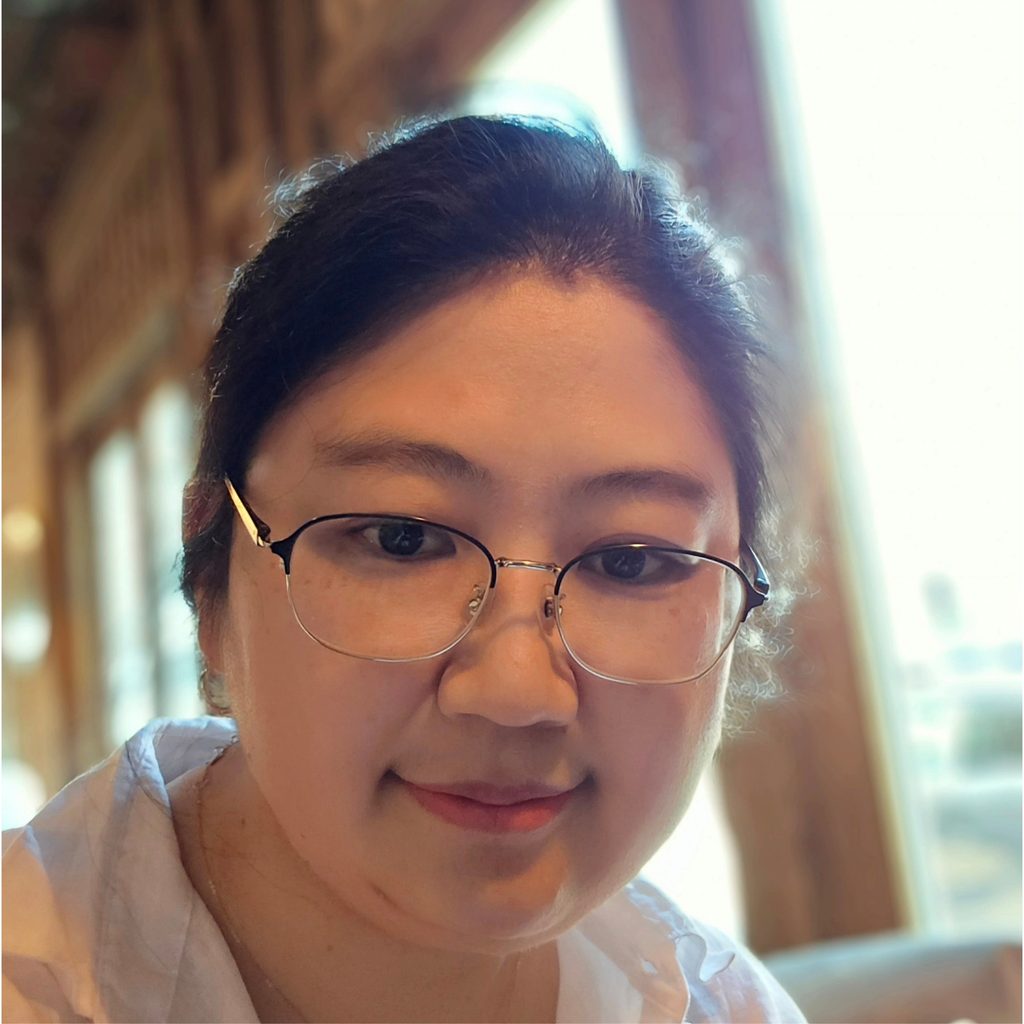
“In my first year, I couldn’t even say one word. Now, speaking in sentences feels normal.”
— Eunae
When Eunae thinks about how far her English has come, she measures it simply.
In her first year in the United States, she says she couldn’t say even one word. Two years later, speaking in sentences has become normal.
Getting there has meant continuing to try, even when the words don’t come easily.
Eunae grew up in South Korea, where English was a required subject beginning in middle school for her generation. But she never felt that what she learned was enough.
Eventually, she stopped trying.
Eunae said she had “completely given up on English.”
That changed when she came to the United States.
Living in an English-speaking country gave Eunae a reason to return to a language she had once given up on.
She saw it as an opportunity.
“I think English is the perfect language for all expressions,” she said.
At Project Learn, she began taking ESOL classes. Her instructor, Joe Younger, has become an important part of her experience.
“Joe is truly an admirable mentor to me,” she said.
But when Eunae talks about her progress, she comes back to something she has done herself, day after day.
“I didn’t give up. I learned and tried every day.”
— Eunae
Those efforts haven’t made every conversation easy. Sometimes Eunae knows what she wants to say but finds that saying it aloud is something entirely different.
She writes about those moments, too.
In an essay titled Using Another Language Is Always Uncomfortable, Eunae describes an ordinary trip to the bank.
She knows what she wants to ask for. But when she tries to say it, pronunciation gets in the way. Suddenly, she is thinking not only about the words, but about her expression, her eyes, and even what her whole body is doing as she tries to make herself understood.
Then her reflection takes an unexpected turn.
“One comforting truth is that, even in my own language, discomfort has always been there.”
— Eunae
For Eunae, the experience becomes about more than English.
Communication can be uncomfortable in any language. What matters is continuing to make the effort.
And that is what she has been doing.
Eunae doesn’t describe her future goal in terms of a particular job, degree, or test score.
She describes the kind of communicator she hopes to become.
“To someone, someday, in front of anyone, I want to say kindly and clearly.”
— Eunae
She wants that same confidence in her writing—to be able to put her thoughts into English without hesitation.
Two years into learning English in the United States, Eunae isn’t saying that every word comes easily.
But she knows that something has changed.
The woman who once felt she couldn’t say a word is speaking in sentences.
She is writing essays.
And she keeps trying.
Using Another Language Is Always Uncomfortable
By Eunae
In fact, Using another language is always uncomfortable
For example, When I withdraw money at the bank, I want to say a simple sentence, "Please withdraw fifty dollars in five bills."
But, In reality, I said "Five dollars bill and fifty" or "fifty five dollars" like this.
What a terrible!
The first huddle is my pronunciation. Fifty.. bibtty.. Fifth..Ha..
The second huddle is all of my whole attitude - my face, my eyebrow my eye and entire my body
What is the guilty for the kind banker who has to understand my wired English? I'm making tired that one banker's business.
But, one comforting truth is that, even in my own language, discomfort has always been there.
All words, actions, and communication must always need careful.
Eventually, uncomfortable has not connection with language, It comes from my underneath.
Today, again, I still struggle uncomfortable, also I make an effort advance.
That is, I believe right in life.
This essay is published with permission from the author.
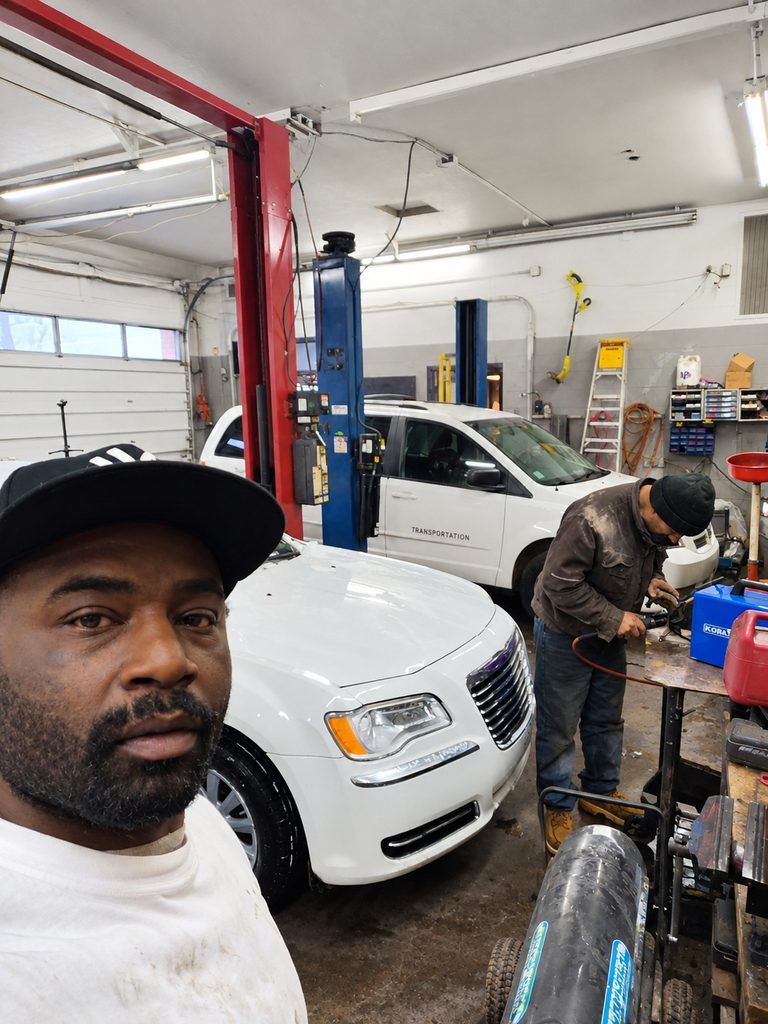
“If I can make someone’s car better and have a smile on their face when I’m done, that’s what makes me happy.”
— Tremain
Not knowing what came next bothered Tremain Perkins.
He thought about where he might be five years down the road—what kind of work he would be doing, what direction his life might take—and not having an answer scared him.
That uncertainty helped bring him to Workforce Development | Project Learn of Summit County
Tremain saw education as an opportunity to begin figuring out what he was good at and where those skills could take him.
One of the answers came through math.
“I became a good math student,” Tremain said, “and I wanted to use my math studies to get me further.”
What began with numbers eventually became much more hands-on.
Tremain learned to read blueprints and discovered that he was good at it.
That skill introduced him to welding—the measurements, fabrication, pipe fitting, and structural work involved in putting things together correctly.
He found work that suited him.
“I began to love welding,” he said.
Tremain went on to study welding at Fortis College and continued developing his skills through work experience. Over the next four years, what he learned on the job gave him another idea.
Maybe he could build something of his own.
Tremain eventually took his technical experience and applied it to automotive repair, opening his own garage business.
Running a business brought a different kind of education.
He had to learn about business banking, financing, bills, utilities, and the day-to-day responsibilities that come with keeping an operation going.
But the part of the work Tremain talks about most enthusiastically isn't the business side.
It's fixing something for another person.
“I literally run to my job every day.”
— Tremain
For him, the satisfaction comes from working with his hands, solving a problem, and seeing the customer's reaction afterward.
“If I can make someone’s car better and have a good smile on their face when I’m done, that’s what makes me happy,” he said.
That desire to help people is also part of how Tremain thinks about his business. He sees his skills as something he can use not only to earn a living, but also to give back to his community.
Of everything Tremain has accomplished, one achievement carries particular meaning.
He became the first person in his family to graduate from college.
His path there wasn't a straight line. It moved from uncertainty about his future to discovering strengths in math, learning to read blueprints, pursuing welding and eventually putting years of technical experience to work for himself.
Now, when Tremain talks to someone who wants to build a career or business of their own, his advice comes from that experience.
Stick with it, he says. Be flexible. Be a team player.
And keep learning.
For Tremain, education became a way to turn the unknown he once worried about into skills he could actually use.
Those skills led to a trade.
The trade led to experience.
And eventually, the experience helped him build something of his own.