
After returning to education years later, Christy earned her GED, built confidence in math and technology, and found herself using those same skills in a new career.
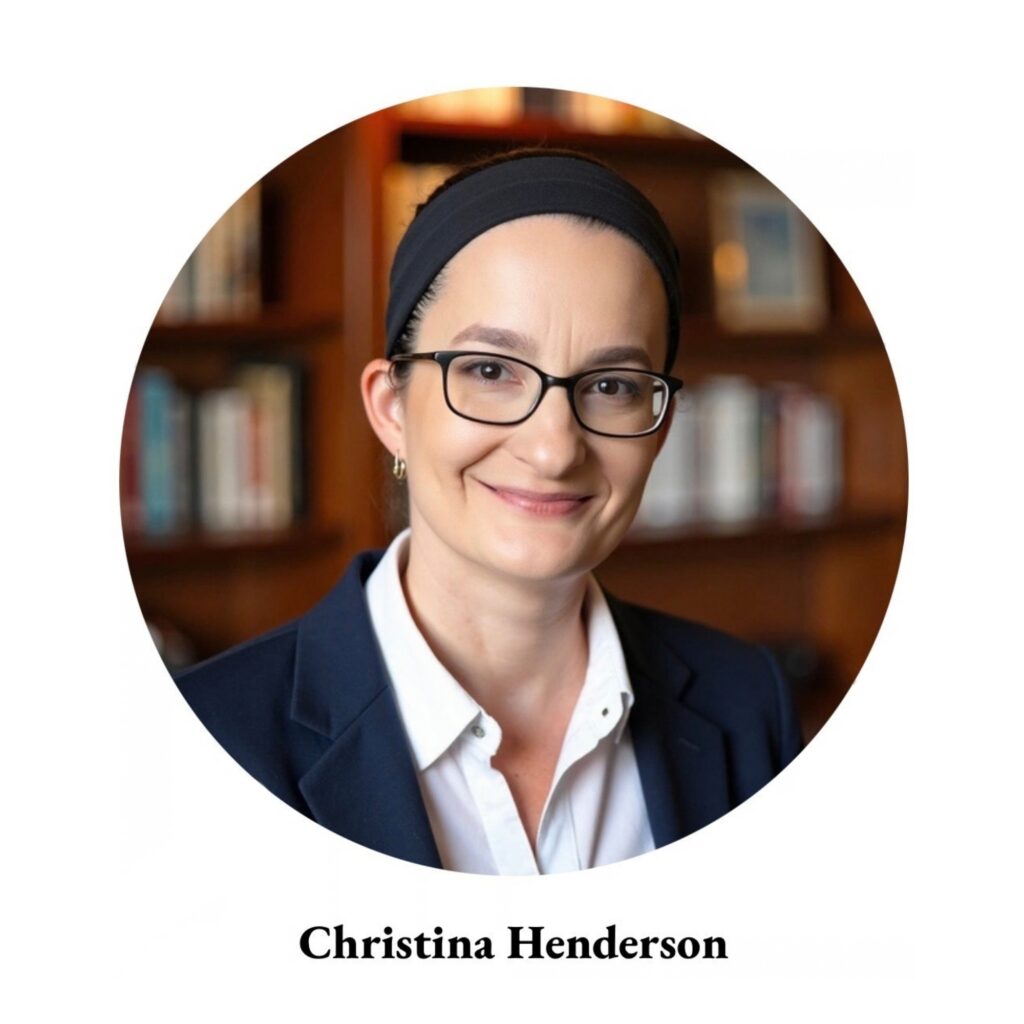
“Project Learn taught me that I was capable of achieving more.”
— Christy
Numbers and spreadsheets are part of Christy Henderson’s workday now.
Not long ago, she says basic math and computer skills were things she struggled with. Today, as a Distributions Specialist for a pension consulting company, she works with numbers, spreadsheets, and documents every day.
It’s a job Christy says she once wouldn’t have had the courage to apply for.
“The same girl that couldn’t do basic math and didn’t have the simplest computer skills a short time ago, now works with numbers, spreadsheets, and documents every day!”
— Christy
Getting there meant returning to something that had been left unfinished years earlier: her education.
Christy grew up homeschooled in a family that placed a high value on education. She was an avid reader and remembers doing well academically.
But before she had the chance to finish high school and attend college, her life took a different direction. She left home and eventually began working for Starbucks, where she would spend the next 23 years.
During those years, Christy also struggled with alcohol. March 2021 was the last time she drank, and she has now been sober for more than five years.
Sobriety changed what she wanted for her life.
“Becoming sober made me want more for my life.”
— Christy
Two years ago, Christy made another major change, moving from Oregon to Ohio. She knew she wanted to pursue a career beyond Starbucks.
The first step was earning her GED.
After taking a practice math test, Christy knew she would need some help preparing. She had heard the library was a good place to start, and that search led her to Project Learn.
What stands out most in her memory are the people she met there.
Christy called Jackie “my own personal cheerleader.” Jackie was the person she texted after every test, and Christy says she still tears up when she talks about how much that encouragement meant to her.
She remembers Ethan, her instructor, as humorous and patient. She remembers the classroom tutors who helped her, along with Marquita, Paul, Melinda, and others who supported her during and after the program.
For Christy, those relationships became part of an experience she hadn’t expected to affect her as deeply as it did.
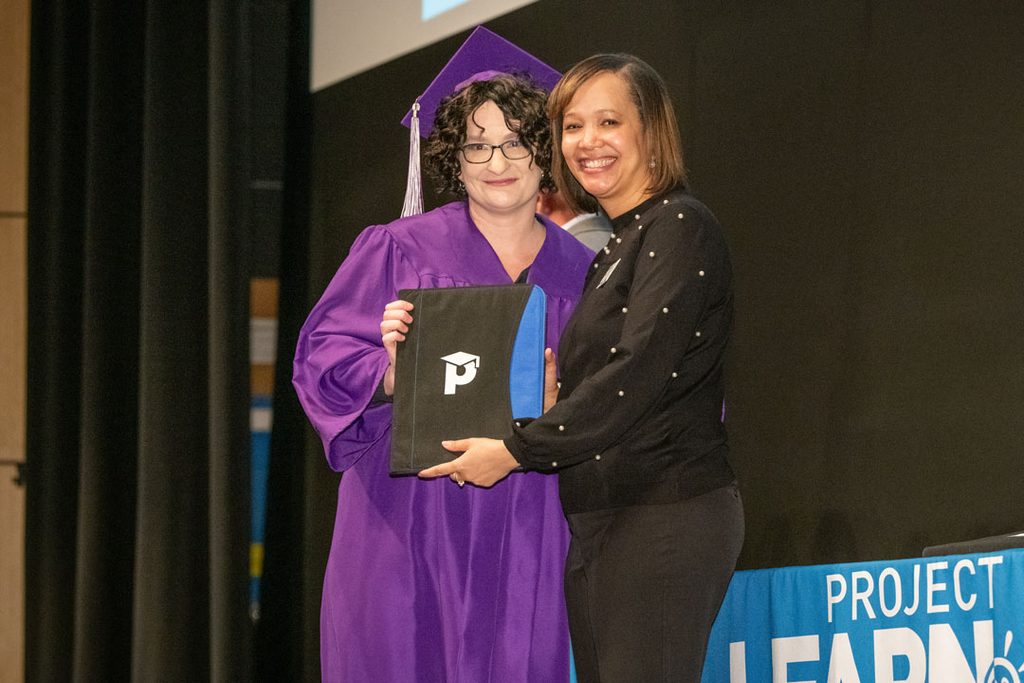
Earning her GED was a personal accomplishment, but Christy’s memories of graduation aren’t hers alone.
She remembers the classmates who had been working toward the same goal.
“I was so proud to graduate with my classmates that struggled along with me and fought to achieve this.”
— Christy
By then, Christy had proven something to herself, too.
“At any age you can do hard things and change your life.”
— Christy
After graduation, she tried a couple of different jobs before finding the position she has today.
And the work brought her back to some of the very skills she once doubted.
As a Distributions Specialist for a pension consulting company, Christy now regularly works with numbers, spreadsheets, and documents.
The contrast isn’t lost on her.
Math was the subject that first made her realize she needed help preparing for the GED. Computer skills were another area where she once lacked confidence.
Now both are part of her workday.
“My current position is one I never would have had the courage to apply for if not for Project Learn.”
— Christy
For Christy, earning the GED mattered. But looking back, she says the experience gave her something that went beyond the credential itself.
“It’s not just about the GED, it’s about the confidence instilled by every person that works with Project Learn.”
— Christy
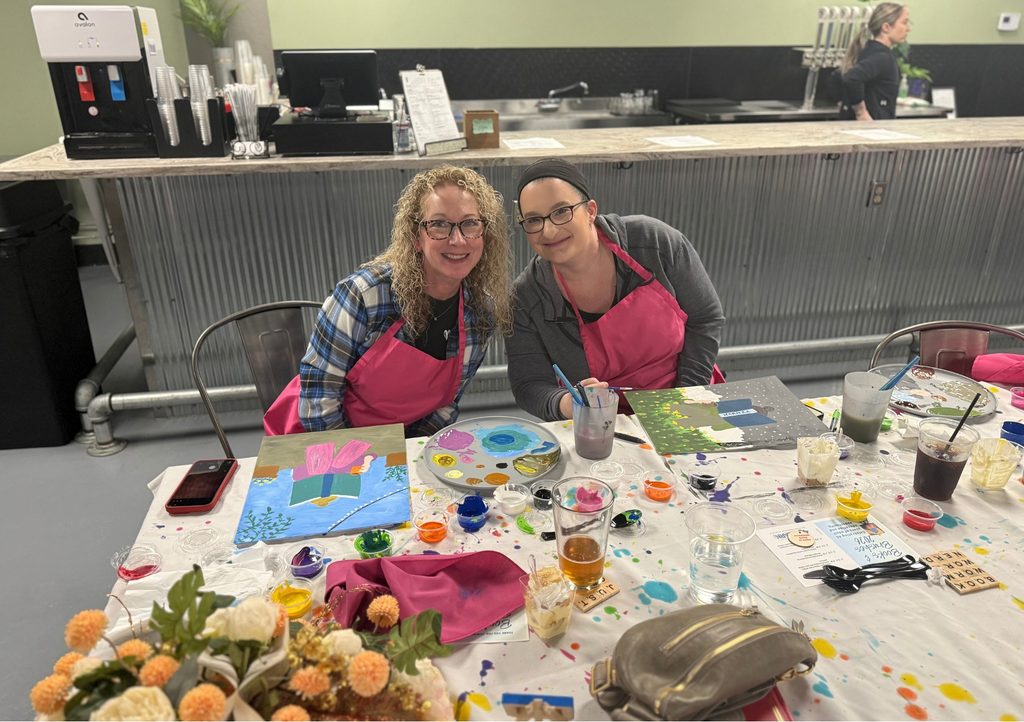
Staying Connected
Christy’s connection to Project Learn didn’t end at graduation.
In 2026, she returned for Books & Brushes, joining the fundraiser as a former student and supporter. Her participation also included a charitable contribution to Project Learn.
This time, she was coming back as a graduate helping support the organization and the learners coming after her.
Today, Christy describes herself the same way she began telling her story:
“I am a proud graduate of Project Learn!”
— Christy
Her path to graduation looked different from the one she might have imagined when she was younger. She returned to education years later, after a 23-year career, sobriety, and a move across the country.
Now, some of the skills she once struggled with are skills she uses every day.
And along the way, Christy discovered she was capable of more.
Years after leaving school without a diploma, Deborah returned to education, earned her GED, and began seeing possibilities for herself that once felt out of reach.
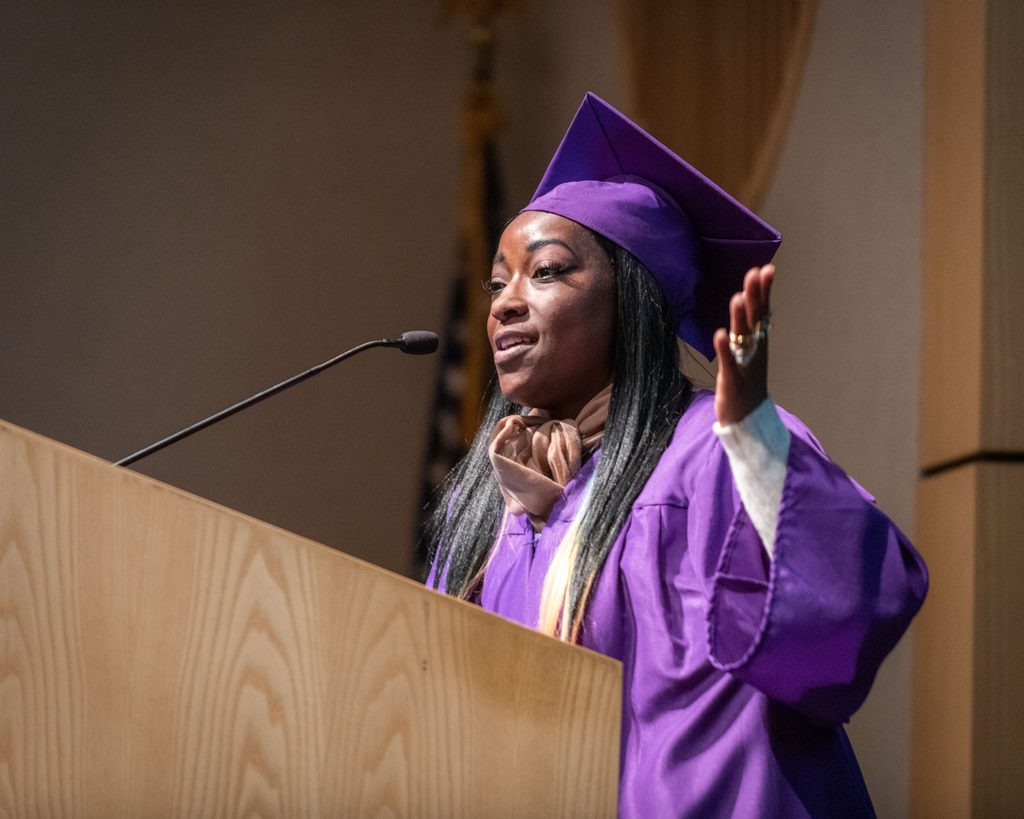
“I wanted to push myself to do something I’ve never done.”
— Deborah
Deborah Holmes had been away from school for years when she decided she was ready to finish what she had started.
Her education had been interrupted when she was young. After her parents divorced, she began missing school and transferring between schools. Life kept moving, and before she knew it, she was 18 without a high school diploma.
She tried returning through an alternative school, but that path didn't work out. Eventually, another referral led her to Project Learn.
Deborah remembers signing up and thinking one thing:
“This has to be it!!”
She wanted her GED. She wanted to be able to help her children with their education. And after years of putting one foot in front of the other through difficult circumstances, she wanted to accomplish something for herself.
“I wanted to satisfy self on seeing what could transpire if I pushed myself to do something I’ve never done,” she said.
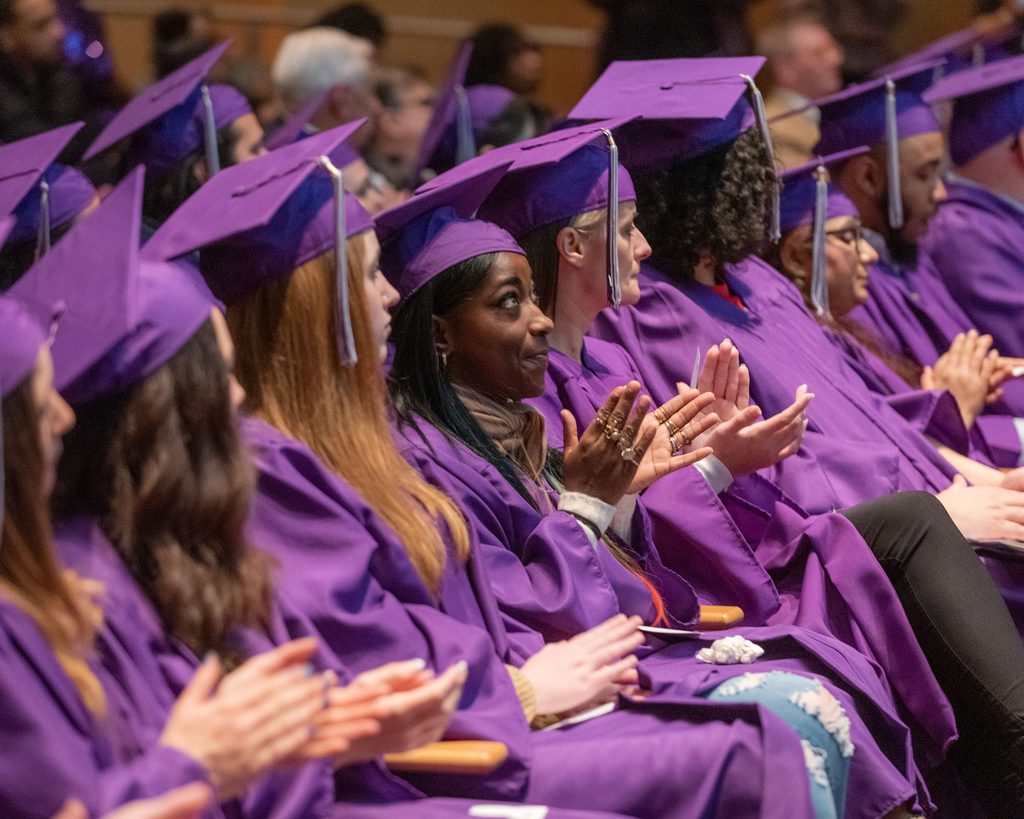
Working toward her GED wasn't easy, but Deborah began to see the possibility of finishing something that had remained unfinished for years.
“There was light at the end of the tunnel, and I could in fact reach it, but only if ‘I’ stayed focused and consistent.”
— Deborah
That focus became important to her.
Instead of thinking about everything that had happened before, Deborah concentrated on what she could do next.
“It depended on ME not THEM,” she said.
She kept working.
And she earned her GED.
For Deborah, that accomplishment changed more than her educational status. It changed the possibilities she was willing to consider.
With her GED completed, Deborah decided to face another fear: she applied to The University of Akron.
Then an employment opportunity followed.
With assistance from Paul Crosby at Project Learn, Deborah began working at the university as an assistant building services worker.
She maintains assigned spaces, handles light maintenance, and helps with other responsibilities as needed. She enjoys the independence of her night-shift position and the time it gives her to think, brainstorm, and consider new ideas.
It was a future she hadn't always been able to picture.
“The world had never looked so open and available to me before.”
— Deborah
That sense of possibility has stayed with her.
Since earning her GED, Deborah says one of the things she is proudest of is becoming more willing to try something unfamiliar.
“I was able to get out of my way to let something new in, to embrace the unknown ahead of me.”
— Deborah
She continues to push herself, become more organized, and take chances on opportunities that might move her forward.
And she doesn't pretend that earning a GED suddenly completed her story.
“I haven’t gone far, but from where I come it truly means everything to me,” she said.
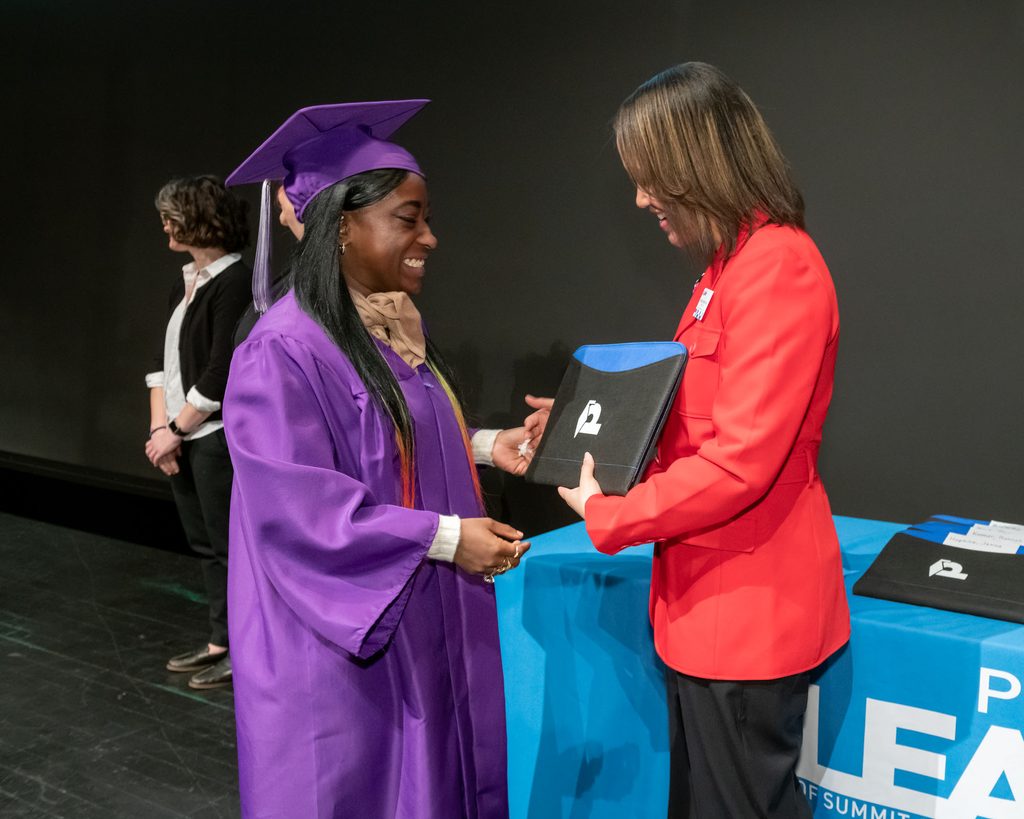
Deborah wanted to share her experience because she hopes it reaches someone who is still wondering whether returning to school is possible.
Maybe life interrupted their education. Maybe they have been away from a classroom for years. Maybe they're simply unsure where to begin.
Deborah understands.
Her advice?
“It ain’t never too late.”
— Deborah
“Do not let a stumbling block stop you from doing something to put you ahead,” she said. “Keep going, and stay focused on you. Stay focused on your goal.”
Years after leaving school without a diploma, Deborah earned her GED and began seeing possibilities she hadn't seen before.
Now she wants someone else to see them, too.
“I am your #1 supporter to keep going!!”
— Deborah
After moving from South Korea to Ohio, Jinsuk began building confidence in English through everyday challenges, classroom learning, and a community that reminded her she didn't have to move forward alone.
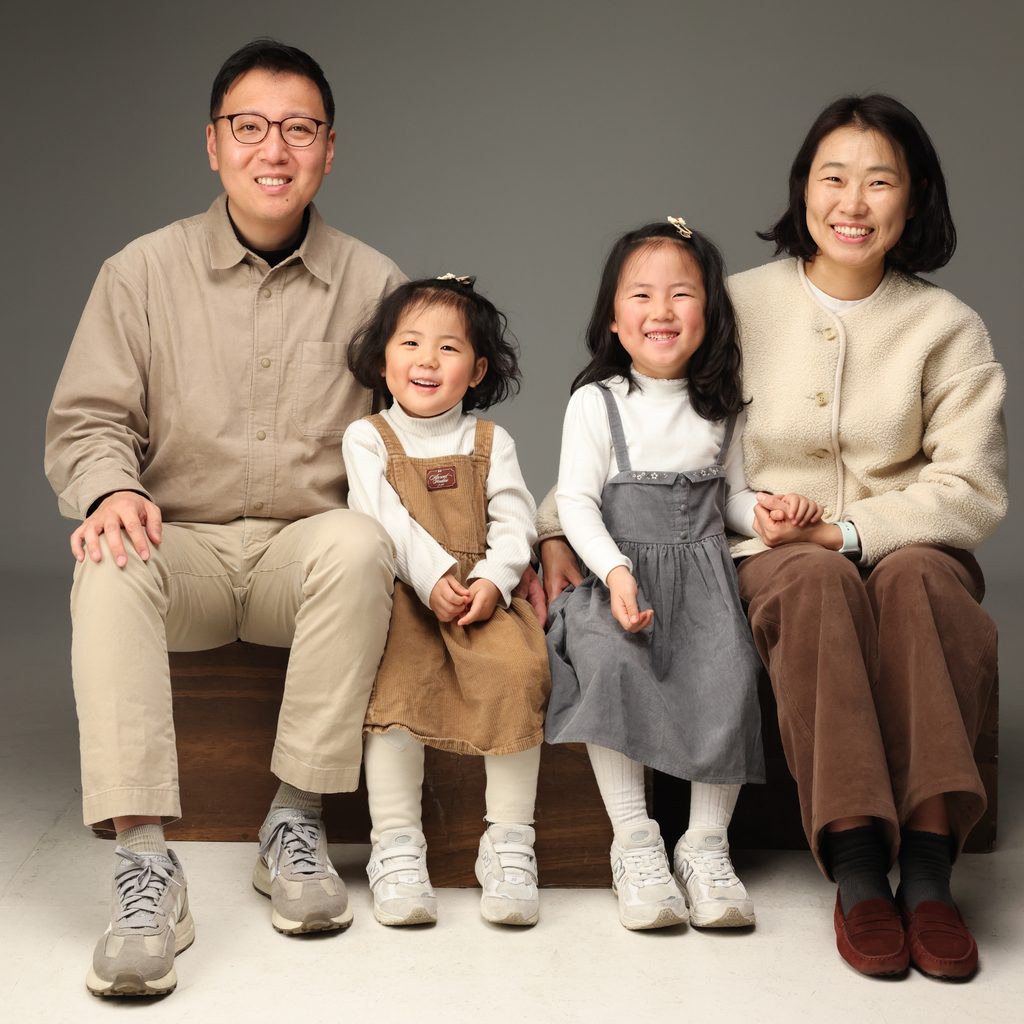
“I started to focus on what I could do instead of what I couldn’t.”
— Jinsuk
When Jinsuk moved from South Korea to Ohio in late 2025, she quickly discovered how much English was woven into everyday life.
She had studied English in middle and high school, but years had passed since she had used it regularly. Now, English was needed for everything from appointments and errands to navigating life with her family in a new country.
"I knew that English was essential for living in the United States, and I wanted to become confident in using it," Jinsuk said. "I also wanted to go back to the basics and learn English in a more structured and systematic way."
With that goal in mind, she began putting herself in situations where she would have to use English.
Jinsuk started with small, everyday moments.
At a café, she ordered her own coffee in English.
At the grocery store, she found the words to ask for the specific cut of meat she needed.
Then she joined a group Pilates class. When she couldn’t understand every instruction, she watched the people around her and followed along.
With each experience, Jinsuk became more comfortable handling daily life on her own instead of depending on her husband.
But she also came to an important realization:
“Just being in America doesn’t mean English automatically becomes my second language.”
Jinsuk had been learning through online lectures, YouTube, and an English-learning app, but she wanted something different: a place where she could learn face-to-face with other people.
Her search eventually brought her to Project Learn.
The beginning wasn’t easy.
“When I took the English test and went to my first class, I felt a lot of frustration,” she said.
At times, it seemed as though everyone around her understood what was happening while she struggled to follow along. She found herself comparing her English with theirs.
Over time, Jinsuk began handling those moments differently.
Instead of pretending she understood, she learned to tell people that she was still learning English and ask them to repeat themselves. When she didn’t understand something, she looked it up and worked through it. “It is slow, but I am moving forward at my own pace.”
Five months after beginning classes, Jinsuk doesn’t describe her progress as sudden or dramatic. She sees it happening “little by little.”
“But after five months of taking classes, I feel that I am getting better little by little, and I now have hope.”
Part of that hope has come from the people she has met at Project Learn.
When English feels difficult, her teachers, volunteers, and classmates encourage her to keep going. Through those relationships, Jinsuk found something she hadn’t expected when she first began searching for an English class.
“Whenever I fall into despair, the teachers, volunteers, and my classmates encourage me and lead me forward. I am learning more than just English; I’ve rediscovered the precious value of community and togetherness.”
What began as a search for an English class has also given Jinsuk a community—one that continues to support her as she moves forward at her own pace.
Before coming to the United States, Jinsuk had spent more than 15 years working for the same company in South Korea. She is proud of the commitment she brought to her work and, most importantly, of always doing her best for her family.
Now she is thinking about what comes next.
In Korea, Jinsuk writes, turning 40 is often considered a turning point in life. For her, that turning point has arrived alongside a new country, new people, a new culture, and the opportunity to begin again.
"At this turning point in my life, I have been given a chance to start everything fresh from the beginning."
Her next goal is both practical and personal: she wants a job where she can communicate in English every day.
"My goal is to have a job where I can communicate in English every day," she said. "I want to continue improving my English skills and use them confidently in both my work and daily life."
For now, Jinsuk isn't measuring her journey by how quickly she gets there.
She's continuing to learn, speak, ask questions, and move forward—at her own pace.
In Her Own Words
Bucket List
By Jinsuk
When I welcomed the New Year of 2025, I had made a new bucket list. One of the items was "Living abroad someday." The opportunity to try it came much sooner than I expected because my husband started working in the United States.
However, I only had a dream about living abroad; I was not prepared. As soon as I arrived in the U.S., I got sick and had to visit the hospital, and I also had to send my children to daycare. I needed English for everything in my daily life. Out of necessity, I relied on translators and interpreters. One day, while sitting at home watching TV, I realized something: just being in America doesn't mean English automatically becomes my second language. I began to change myself.
First, I decided to leave the house and face the environment directly. I went to cafes to order coffee and to the grocery store to ask for specific cuts of meat. I registered for group Pilates and followed other people's movements by watching them closely. Most importantly, I handled most things on my own without depending on my husband.
Second, I had been studying through online lectures, YouTube, and the Speak app, but I felt it wasn't enough. So, I looked for a place where I could learn English in person. Since I had no one to ask, I asked AI and registered for "Project Learn." It is a place where people from various nationalities study with the same goal. Since it is a face-to-face class, it was perfect for me because I sometimes lack self-discipline. Now, I am doing my best to attend classes three times a week.
Third, I decided not to be impatient. When I started comparing myself to others, I felt very small. It felt like everyone knew everything except me. Even during class, I would sit blankly because I didn't understand, and my head was full of distracting thoughts. When I snapped back to reality, I felt so hateful toward myself and miserable. Now, things are a little different. I tell people first that I am not good at English and ask them to say it one more time. If I don't know something, I try to understand it by looking it up in Korean. It is slow, but I am moving forward at my own pace.
In Korea, people say that forty (40) is a turning point in life. In 2026, I am experiencing a new environment, new people, and a new culture. At this turning point in my life, I have been given a chance to start everything fresh from the beginning. Until the day I can say I have fulfilled my bucket list, I will continue to refine this "second life" bit by bit.
I am Jinsuk from Korea. I have been living in Ohio, USA, since late 2025. While my family is my top priority, I am also working hard every day to achieve my own dreams.
This essay is published with permission from the author.
Returning to school while raising a family gave Jemonte more options and opened a path from his GED to college, a CDL, and a new career.
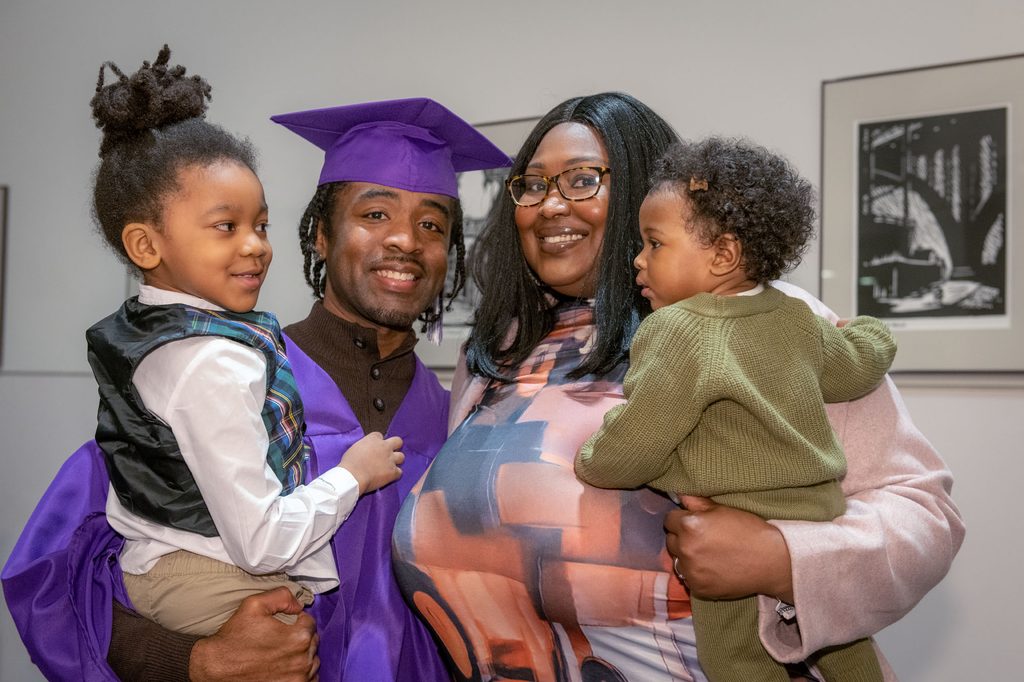
“You can always create a new beginning for yourself.”
— Jemonte
Jemonte Stallworth was working, raising a family, and thinking about his future when he realized he wanted more options.
He felt stagnant in the workforce. Going back to school offered a way forward, but earning his GED wasn't something he was doing only for himself.
His mother motivated him. So did his children.
Returning to school as a husband and father, however, was very different from being a student the first time around.
Jemonte had to balance studying with responsibilities at home. Being back in the classroom also gave him a new perspective on an opportunity he hadn't fully appreciated when he was younger.
“You realize how simple things were the first go around in school,” he said.
This time, Jemonte was ready for it.
Earning his GED gave Jemonte what he had been looking for: more options.
But personally, the accomplishment meant something even bigger.
“It reminded me that life had not passed me by.”
— Jemonte
That realization was followed by something tangible.
With his GED, Jemonte was accepted into Stark State College. While there, he interviewed for a position with METRO RTA.
One opportunity was beginning to lead to another.
He earned his commercial driver's license—a milestone he considers his proudest accomplishment since completing his GED—and became a bus driver for METRO.
Driving a bus puts Jemonte in front of people every day.
Some faces are new. Others become familiar.
For Jemonte, that human connection is one of the best parts of the job.
“What I enjoy most is putting smiles on new and familiar faces.”
— Jemonte
His route to that driver's seat had started with a decision to give himself more choices.
The GED opened the way to college. College became connected to an employment opportunity. His CDL gave him another professional credential.
But Jemonte hasn't stopped at the driver's seat.
He's already working toward something else.
Jemonte is currently in the process of becoming a personal trainer.
He doesn't know exactly where every opportunity will take him, but his experience has changed the way he thinks about starting something new.
That is also what he wants another adult considering a return to school to understand.
“You can always create a new beginning for yourself. It’s never over until you quit.”
— Jemonte
For Jemonte, the new beginning wasn't one dramatic moment.
It was deciding he wanted more options.
It was returning to school while raising a family.
It was earning his GED.
Then college.
Then his CDL.
Then a job that puts him in touch with his community every day.
And now, another goal is already taking shape.
Life hadn't passed Jemonte by.
There was still plenty of road ahead.
When his previous credentials weren’t recognized in the United States, Andres found another way forward through his GED, professional certification, and a new career path.
“I needed a new path to continue my education and move forward.”
— Andres
Andres already had an academic background when he arrived in the United States. What he didn't have was a way to use it.
He discovered that the credentials he had earned in his home country weren't accepted, leaving him unsure how he could continue his education.
“It was difficult to find a place where I could continue my studies,” Andres said. “Without recognized educational credentials, many opportunities were out of reach.”
The answer he eventually found wasn't to abandon his education.
It was to take a different route.
That route brought Andres to Project Learn, where he began working toward his GED.
He moved through the process quickly, but that didn't make it effortless.
“It required dedication and hard work, but completing my GED gave me confidence and showed me that I could achieve my goals when given the right opportunity and support.”
— Andres
For Andres, earning the credential mattered because of what it allowed him to do next.
He could continue his education.
And he did.
After earning his GED, Andres enrolled in a course to become a certified medical interpreter.
He completed the certification and found work as an interpreter.
One step had created access to another.
“Education has opened many doors for me.”
— Andres
Andres continued working as an interpreter while pursuing other opportunities for professional growth. More recently, he shared that he is in training and balancing the demands of his current job responsibilities.
Looking back, the progression is clear to him: GED, professional certification, employment, and continued career development.
“I am most proud of earning my GED and using it as a foundation to become a certified interpreter and build a successful career path in the United States,” he said.
His GED wasn't where his education ended.
It gave him a way to keep going.
There is another part of Andres's experience that has stayed with him.
It isn't about a class, test, or certification.
It's about how he remembers being treated.
“Throughout my career, I have had many jobs, but I have never been treated with as much respect, kindness, and support as I was at Project Learn.”
— Andres
Andres remembers the people behind that experience by name: Marquita Mitchell, Paul Crosby, Edna Moore, Jackie, and Myra Walker.
“They all helped me so much and made my life much better,” he said.
For someone who had struggled to find a place where he could continue his education, that support mattered.
Andres now has his GED, a professional certification, experience working as an interpreter, and a career that continues to develop.
The path wasn't the one he originally expected.
But it gave him somewhere to go next.
Andres knows there are other adults wondering what to do when the path they expected doesn't work out.
His advice is straightforward.
“Take the first step and don't give up.”
— Andres
Education, he says, can create opportunities that once seemed out of reach.
His own story started with needing another way forward.
He found one.
